
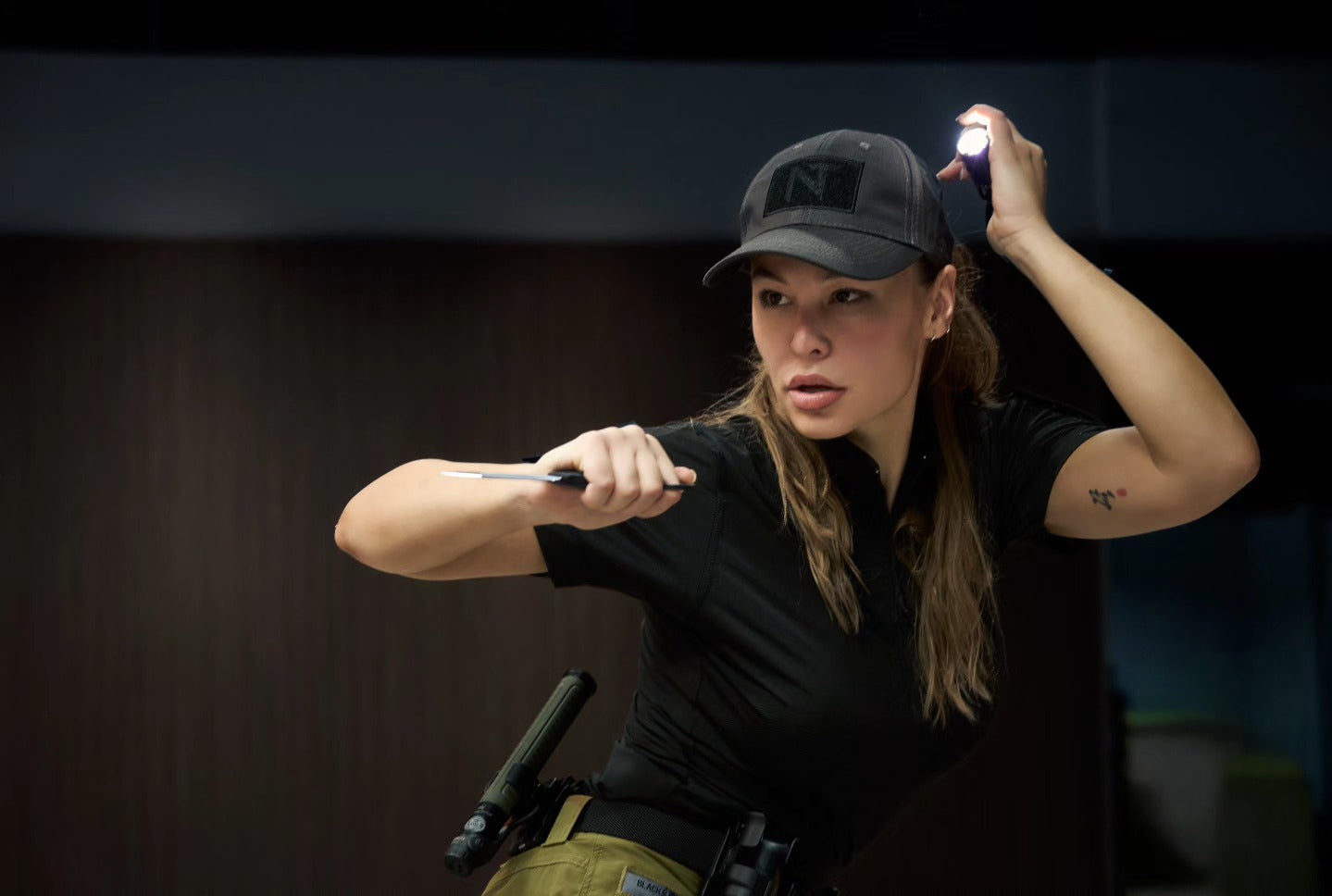
Keywords: Pekiti Tirsia Kali gear, Kali training knife, PTK beginner equipment, martial arts training blades.
Why "Blade-First" Changes Your Gear Requirements
If you are starting your journey in Pekiti-Tirsia Kali (PTK), you likely already know that this isn't a sport—it is a combat survival system. Unlike other martial arts that start with empty hands and add weapons later, PTK is a blade-culture system. We teach the blade first because the mechanics of the knife dictate the mechanics of your empty hand, not the other way around.
Because of this, you cannot show up to class with just gym shorts and a water bottle. You need tools that respect the lethality and precision of the art.
Whether you are training in a garage or a certified dojo, this is the essential loadout every PTK practitioner needs to train safely and effectively.
1. The "Analog" Training Knife (Not a Toy)
The most common mistake beginners make is buying a cheap, featherweight plastic knife.
In PTK, we rely on muscle memory. If your training knife weighs 2 ounces, but your real carry knife weighs 6 ounces, your body is learning the wrong timing and velocity. When stress hits, your "snap" will be off.
You need a weighted training knife (an "analog") that mimics the balance, heft, and profile of your live blade.
l Material: Look for aluminum or dull-edged steel trainers. They provide the auditory feedback (the "clack") when you make contact with a partner's blade, which plastic cannot replicate.
l Safety: Ensure the tip is rounded or flat to prevent puncture wounds during thrusting drills.
Our Recommendation: The [Nexkut PTK75 Training Set](https://www.nexkut.com/products/tactical_knife_ptk75) was developed with input from Tuhon Rommel Tortal specifically to bridge this gap. It matches the weight of our live blades, ensuring that every rep you take builds real-world reflex.
2. Rattan Sticks (The Impact Tool)
While the blade is the soul of Kali, the stick is the teacher. You will spend hours doing Sinawali (weaving drills) and flow drills.
l Why Rattan? We use rattan instead of oak or heavy hardwoods because rattan is fibrous. When it breaks, it frays like a broom; it doesn't snap into sharp, flying splinters like hardwoods do.
l Sizing: A standard length is 28–30 inches.
l The Grip: You will burn patterns into your hand. Stick tape can help, but eventually, you want to develop the callus necessary to hold the stick when your hands are sweaty.
3. Eye Protection (Non-Negotiable)
In Pekiti-Tirsia, we "feed" angles. Sometimes, those angles feed a little too close to the face.
l The Rule: Never perform flow drills or sparring without eye protection.
l What to Buy: You don't need a full ballistic helmet for light drills, but you do need ASTM-rated squash goggles or tactical shooting glasses. Ensure they have a strap so they don't fly off during a disarm attempt.
4. The Live Blade (Your Daily Carry)
You train to survive. Eventually, you must carry the tool you are training to master.
In PTK, we often favor specific blade geometries that maximize cutting potential in close quarters.
l The Geometry: Wharncliffe or Reverse-Tanto shapes are preferred because they transfer maximum energy into the tip during a slash or thrust.
l The Steel: You want a steel that can take an edge and hold it. D2 Tool Steel is a favorite in the tactical community for its aggressive edge retention.
l The PTK Standard: Our [PTK75 Live Blade](https://www.nexkut.com/products/tactical_knife_ptk75) features the aggressive geometry favored by PTK instructors. It is designed to be the exact "sharp brother" to the trainer you use in class.
5. Forearm Guards
When you start "indexing" (banging sticks/arms) or sparring, your forearms will take a beating.
l Beginner Tip: Don't be a hero. Wear soft forearm guards (cloth/foam style) during stick sparring. It allows you to train longer without needing to ice your arms for three days afterward. Consistent training beats "toughing it out" and missing a week due to a bone bruise.
Final Thoughts: Respect the Art, Respect the Gear
Pekiti-Tirsia Kali is about survival, precision, and respect for life. The gear you choose should reflect that mindset. Don't train with toys if you plan to survive a reality.
Share:
Why You Need a Training Knife: The Importance of Muscle Memory
The 5 Rules of Tactical Sparring How to Train Without Getting Hurt